


Spare Parts
Our Company
Henan Kunwei Machinery Co., Ltd. is located in the west section of Wuyang Road, Weibin District, Xinxiang City, Henan Province. It is a professional manufacturer of conveyor, belt conveyor, large angle belt conveyor, screening series and feeding equipment. Our main products include carbon steel sprial conveyor LS model, spiral conveyors trough 300mm diameter with shaft, long feeding trough pellets idler belt conveyor,
horizontal conveying trough belt conveyor for bulk material, Z model large angle sidewall cleat belt conveyor, etc.
Advantages of Conveyor Spare Parts Production
Good Quality Control
We bring relevant professional top talent and technology together for a highly qualified professional team. Before mass production, we test each batch of raw material. After production, we test each product to guarantee qualification.
Rich Experience
With over 20 years of industry experience, we understand the needs and trends of the conveyor market. Through continuous research and development and iteration, we will provide better conveyor products and services for customers.
Complete Product Qualifications
Our products all have passed test of ISO90001. All of our products comply with international quality standards and are greatly appreciated in a variety of different markets throughout the world.
Competitive Price
You can get our catalog online or visit our factory to see our products. We also provide competitive price and excellent customer service for all our customers.
-
 Y Motor Series Three-Phase Asynchronous Electric MotorThe Kunwei Y Series Motor is a heavy duty totally enclosed fan cooled (TEFC) three phase squirrel cage induction motor designed for driving industrial belt conveyors and crushers. Built with a highAdd to Inquiry
 -
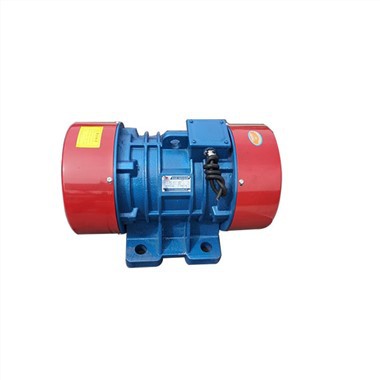 Vibrate Motor for Vibrating MachineVibration motor is designed as a high-end vibrating motor. It is available in several types with different specifications, while the most powerful one comes with an exciting force of 300 KN, and isAdd to Inquiry
 -
 Electric Pulley Drive (Motorized Drum Motor) for Belt Con...The Kunwei Electric Pulley also known as a Motorized Drum or Drum Motor is a compact conveyor drive unit where the electric motor and gear reducer are totally enclosed within the pulley shell.Add to Inquiry
 -
 Troughing Idler SetThe Kunwei Troughing Idler Set is the standard carrying component for bulk material belt conveyors typically consisting of three rollers arranged in a 35 degree or 45 degree angle frame. EngineeredAdd to Inquiry
 -
 Impact IdlerImpact idlers which can also call Buffer idlers are used at the receiving place of belt conveyor to reduce the impact of falling materials on the conveyor belt.Add to Inquiry
 -
 Sidewall Conveyor BeltSidewall belt conveyor belts are designed to the highest standards to transport all types of bulk material, including mining, stone and earth handling, building industries, recycling, steelAdd to Inquiry
 -
 Chevron Conveyor BeltChevron belt conveyor which can used on moveable belt conveyor machine and others conveyor machine. Which can used by mining and coal, steel factory and so on.Add to Inquiry
 -
 Rubber Conveyor Belt--- Maximum 500m per roll for rubber EP conveyor belts. --- Cassette package is available for abrasion resistant conveyor belts. --- One 20 container can load 6--8 rolls DIN-Y conveyor beltsAdd to Inquiry
 -
 Rubber SpringCombined Spring Composed of Rubber and Coil Spring, and we usually call rubber spring and steel spring.Add to Inquiry


- Mob: +86-18336080841
- info@jinruimachine.com
- conveyor@jinruimachine.com
- vibratingscreen@jinruimachine.com
- Add: The West of Wuyang Road, Weibin District, Xinxiang City, Henan Province, China
Conveyor spare parts are specific components that may become damaged or worn over time due to regular use. Replacing these parts is crucial to maintaining the efficiency and safety of the conveyor system.
The concept of conveyor spare parts includes a wide range of components, such as belts, rollers, pulleys, motors, gearboxes, bearings, chains, sprockets, and many more. Each of these parts plays a specific role in the operation of the conveyor system and their replacement is essential to ensure proper functionality.
Features of Conveyor Spare Parts
Durability
Conveyor spare parts are typically made from high-quality materials that can withstand the wear and tear associated with regular use. This durability ensures that the parts will last longer, reducing the frequency of replacements and associated costs.
Compatibility
Conveyor spare parts are typically designed to be compatible with specific conveyor systems or models. This ensures that they fit correctly and function efficiently within the system. Compatibility also reduces the chances of fitting issues or malfunctions.
Ease of Installation
Conveyor spare parts are often designed for easy installation, making it easier for maintenance personnel to replace damaged components. This reduces downtime and saves time, ensuring a faster return to operation for the conveyor system.
Reliability
Conveyor spare parts are typically made from reliable materials and undergo rigorous testing to ensure their performance and longevity. This reliability ensures that the replacement parts will function efficiently and reliably, reducing the chances of further breakdowns or malfunctions.
Functions of Conveyor Spare Parts

Replacement of Damaged Components
Conveyor systems undergo regular wear and tear, resulting in damaged components such as rollers, belts, and frames. Conveyor Spare Parts are used to replace these damaged components, allowing for the smooth functioning of the conveyor system.

Maintenance and Repair
Conveyor Spare Parts are essential for the maintenance and repair of conveyor systems. They help to keep the system in good working condition by replacing worn-out or damaged parts. This ensures that the conveyor remains operational and efficient.

Improved Efficiency
Conveyor Spare Parts are designed to fit correctly and function efficiently within the conveyor system. Their use helps to improve the efficiency of material handling operations by ensuring smooth conveying, reducing downtime, and minimizing malfunctions.

Cost-Effective Solution
Conveyor Spare Parts are typically cost-effective options for maintaining conveyor systems. Replacing damaged components with new spare parts can be more cost-effective than repairing the original components, especially when considering the overall operational costs and downtime associated with repairs.
Types of Conveyor Spare Parts
Driving Device: A driving device is a component in a conveyor system that is responsible for providing the necessary force to move the material on the conveyor belt. It can be a motor, gearbox, or any other device that generates the required torque to propel the belt.
Idlers Frame: An idlers frame is a structure that supports and holds the idlers, which are rollers that guide and support the conveyor belt. The idlers frame ensures that the idlers are correctly aligned and spaced to provide effective support for the belt.
Idlers Roller: An idler roller is a component of a conveyor system that guides and supports the conveyor belt. It is typically installed at intervals along the conveyor length and helps to keep the belt aligned and running smoothly.
Belt for Conveyor: A belt for a conveyor is a long, flexible strip of material that is used to transport materials or products from one point to another. It is typically made from rubber or plastic and is designed to withstand wear and tear from regular use.
Vibrate Spring: A vibrate spring is a device that is used to provide vibrating motion to a conveyor belt. It is typically installed at the conveyor's discharge point and helps to ensure that materials are evenly distributed and do not accumulate at one spot. The vibrate spring provides a continuous vibrating action to the belt, which breaks up any accumulated material and ensures more efficient conveying.
When Do Conveyor Spare Parts Need to Be Replaced
Belt for Conveyor:The belt of a conveyor gets the most beating, so it makes sense that it will need to be replaced from time to time. Keep an eye out for any fraying, damage, debris build-up, or extra slack. Rack and pinion tensioning system is designed with a helpful gauge that measures the amount of slack in the belt to let you know when it’s time to replace it.
Additionally, if the conveyor belts are off track, they can quickly become damaged or cause damage to other parts of the system. Watch for excessive belt sway or the belt rubbing on one side of the conveyor. This can mean that either the belt positioning needs to be adjusted, or the belt tracking is coming loose and it’s time to replace the belt.
Maintenance Tip:A general rule when you have multiples of the same conveyor is to keep at least two replacement belts for each style of conveyor that is operating in a plant. That way, if two belts are damaged in a matter of days, the belts can be quickly replaced with minimal downtime to the overall operation.
Driving Device:Like all the parts used on conveyors, the driving devices are designed to last for a long time even when running almost constantly. However, they are another part that is prone to wear over time, so it’s important to be aware of possible signs of a worn-out motor and gearbox so they can be replaced when necessary.
Running a motor and gearbox at speeds it is not designed for or transporting heavier than recommended products on your conveyor can greatly reduce the life of both of these parts. Often, the first sign of trouble is a loud grinding or high-pitched squealing coming from either the motor or gearbox, and that means it’s time for them to be replaced.
Drive Tail and Idler Tail:Since many of these parts within the drive tail and idler tail work in conjunction and similarly wear out at about the same rate, it’s recommended to replace all parts together. That is why components are bundled jointly under one part number for ease of ordering and to ensure you have all the necessary parts on hand for quick repairs.
For example, if a bearing is going bad in a tail, you might hear a chirping, squealing, or grinding noise coming from the tail of the conveyor. It’s important to replace a roller when these problem signs are first noticed because if left too long it runs the risk of damaging other components of the conveyor that may require significant and costly repairs.
How Do You Manage Conveyor Spare Parts Inventory
Managing your conveyor spare parts inventory can help you optimize your operations, reduce downtime, and save costs. Here are some tips on how to do it effectively.
Assess Your Needs
The first step is to assess your current and future needs for conveyor spare parts. You should consider factors such as the type, size, length, width, speed, capacity, and material of conveyor spare parts, as well as the frequency and intensity of use, wear and tear, and environmental conditions. You should also identify the critical and non-critical parts of your conveyor, and the availability and lead time of suppliers. Based on this information, you can estimate how many conveyor spare parts you need to keep in stock, and how often you need to order them.


Organize Your Inventory
The next step is to organize your inventory in a way that makes it easy to access, track, and manage. You should label and store your conveyor spare parts according to their type, size, condition, and location. You should also use a reliable inventory management system, such as a barcode scanner, a RFID tag, or a software program, to record and update the details of your inventory, such as the quantity, location, status, and expiration date of each item. This will help you avoid overstocking, understocking, or losing track of your inventory.
Monitor Your Performance
The third step is to monitor the performance of your conveyor spare parts, and adjust your inventory accordingly. You should regularly inspect and measure the condition and efficiency of your conveyors. You should also track and analyze the usage and consumption of your conveyor spare parts, such as the frequency, duration, and cause of replacement, repair, or maintenance. This will help you identify and address any issues, problems, or opportunities for improvement, and optimize your inventory levels and ordering cycles.


Plan Ahead
The fourth step is to plan ahead for any changes, emergencies, or contingencies that may affect your conveyor spare parts inventory. You should anticipate and prepare for any factors that may increase or decrease your demand for conveyor spare parts, such as seasonal fluctuations, production peaks or slumps, new projects, expansions, or upgrades. You should also have a contingency plan for any unexpected events that may disrupt your supply chain, such as accidents, breakdowns, delays, or shortages. This will help you minimize the impact of any disruptions, and ensure the continuity and reliability of your operations.
Train Your Staff
The fifth step is to train your staff on how to manage your conveyor spare parts inventory effectively. You should ensure that your staff are familiar with the types, functions, and specifications of your conveyor spare parts, as well as the inventory management system and procedures. You should also provide them with the necessary tools, equipment, and safety measures to handle, store, and install your belts and spare parts properly. This will help you improve the quality and consistency of your inventory management, and reduce the risk of errors, damages, or injuries.


Review Your Practices
The final step is to review your practices and evaluate your results. You should periodically review your inventory management goals, policies, and processes, and compare them with your actual performance and outcomes. You should also solicit and collect feedback from your staff, suppliers, and customers, and identify any gaps, challenges, or areas for improvement. This will help you measure the effectiveness and efficiency of your inventory management, and make any necessary adjustments or improvements.
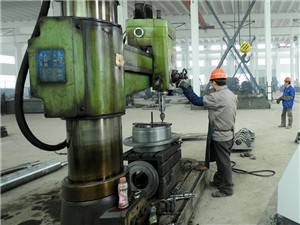
Our Factory
Focus on capacity and quality, which must be improved for the best products and services to our customers.




Conveyor Spare Parts: The Ultimate FAQ Guide
We're professional spare parts manufacturers and suppliers in China, specialized in providing high quality customized service. We warmly welcome you to buy high-grade spare parts for sale here from our factory. Good service and low price are available.
Driving Device, LSY Spiral Screw Conveyor, Inclined Pipe Screw Conveyor